

Water is essential for our overall health. It is not merely a substance that quenches our thirst, but an integral part of bodily functions and vital activity. However, many people suffer from insufficient water intake in their daily lives, whether due to busy schedules or a lack of awareness of its importance.
The effects of not drinking enough water aren't limited to feeling dehydrated; they extend to our overall health and many bodily functions. It's important to understand the causes and negative effects of not drinking enough water, and how to avoid them and maintain a healthy water balance.
The dangers of not drinking enough water
Drinking too little water can cause several problems, most notably thirst, dizziness, dark urine, and fatigue. These problems will be discussed below.
1- Dehydration
This can lead to dehydration, which negatively affects vital functions and increases the risk of fatigue and general weakness.
2- Reduced energy and concentration
When the body is dehydrated, a person can feel tired and lose energy, which affects the ability to concentrate and mental performance.
3- Deformities in bodily functions
Insufficient water intake also affects the functions of vital organs such as the kidneys and liver, and leads to problems with metabolism and the elimination of toxins from the body.
4- Increased risk of developing diseases
Drinking too little water increases the risk of developing many chronic diseases such as cardiovascular disease, diabetes, and some types of cancer.
5- Effects on the digestive system
Drinking too little water can also cause digestive problems such as constipation, bloating, and heartburn.
6- Effects on skin and hair
Drinking too little water causes dry, flaky skin and deteriorates hair quality, leading to a dull and tired appearance.
Therefore, it appears that insufficient water intake can cause negative effects on general health and well-being, and therefore it is essential to ensure that sufficient amounts of water are drunk daily to maintain good health and sustained daily activity.
The required amount of water daily
The optimal amount of water an individual needs daily can vary based on several factors, such as age, sex, physical activity, and climate. However, general guidelines suggest drinking between 8 and 10 glasses of water per day for adults, which is equivalent to about 2-2.5 liters.
This amount can increase in certain situations, such as periods of intense physical activity, hot weather, or during pregnancy or breastfeeding, when the body needs extra water to maintain fluid balance. These general guidelines should serve as a baseline for everyone, but you should also monitor your body's needs by drinking water when you feel thirsty. The goal is to maintain a healthy water balance to ensure optimal bodily function and overall health.
Tips to help you drink more water
Here are some tips that may help you increase your water intake regularly and avoid the harmful effects of not drinking enough water:
1. Carry a water bottle with you
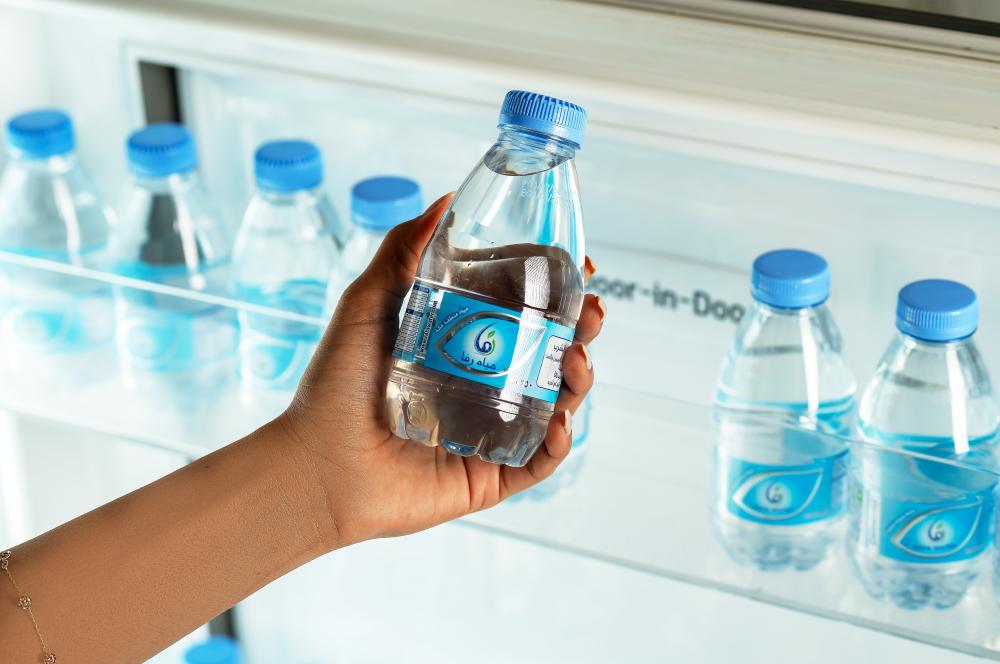
Carry a medium-sized water bottle with you on your daily commute, whether you're at work or out and about, to remind yourself to drink water regularly. It's easy to find, as Hajar Water offers a range of great deals, especially during the winter, and the promotional bottles come in a convenient size, perfect for on-the-go use.
2- Set a daily drinking goal
Set a daily goal for the amount of water you want to drink, and try to stick to this goal by dividing the amount throughout the day.
3. Set reminders
Set reminders on your mobile phone or place reminder notes in a prominent place to remind you to drink water regularly.
4- Replace other drinks with water
Try replacing soft drinks and artificial juices with water, especially healthy water, when you feel thirsty.
5. Eat foods rich in water
Eat foods that contain a high percentage of water, such as fresh fruits and vegetables, including cucumbers, watermelon, and oranges. This will help increase your body's hydration.
6- Adding natural flavors to the water
Adding pieces of fruit or aromatic herbs such as mint or lemon to the water can make it more appealing to drink.
7- Drink water before meals
Before each meal, drink a glass of water. This helps you feel full quickly and may reduce the desire to eat large amounts of food.
8- Drinking challenges
Participate in drinking challenges with your friends or family members, where you challenge each other to drink specific amounts of water daily.
Therefore, by applying these tips, you can motivate yourself to drink more water and make the most of its health benefits.
Frequently asked questions about not drinking enough water
What happens when you don't drink enough water?
When you don't drink enough water, several negative effects can occur on your health. Insufficient water intake can lead to dehydration, which impairs vital bodily functions and increases the risk of fatigue and general weakness. Furthermore, it can affect physical and mental performance, disrupt bodily functions, and increase the risk of developing diseases.
How do I know if my body needs water?
There are several signs that indicate your body needs more water. Thirst is the most prominent. Other signs include dry mouth and throat, headaches and dizziness, dark urine, fatigue and weakness, and dry skin.
How do I know if my body doesn't need water?
Although signs of not needing water are less common than signs of thirst and dehydration, it's important to be aware of them. Some signs that may indicate your body isn't thirsty include lukewarm, clear urine, lack of thirst, frequent urination, and feeling cold.
Does dehydration cause depression?
Yes, dehydration can lead to feelings of depression or increased anxiety in some people. It can affect mood and brain function, causing fatigue and exhaustion. Dehydration can also lead to feelings of distress and depression. Furthermore, dehydration affects hormone production in the body, which can directly impact mood and cause mood disturbances.
Does dehydration cause weight gain?
Yes, drinking too little water can cause weight gain in several ways. Here are some reasons why dehydration can affect weight: increased appetite, reduced urination, effects on metabolism, changes in fluid balance, and replacing sugary drinks with water.
In conclusion, we can deduce that insufficient water intake has significant negative effects. The body relies heavily on water to perform its vital functions properly, and when there is a fluid deficiency, the body can suffer from a variety of problems. Therefore, it is essential to ensure we drink adequate amounts of water daily.